Congress

Loading top stories...
Showing posts with label Congress. Show all posts

Wednesday, November 25, 2026

Trump Orders Federal Contractors to Check With White House

Trump Orders Federal Contractors to Check With White House

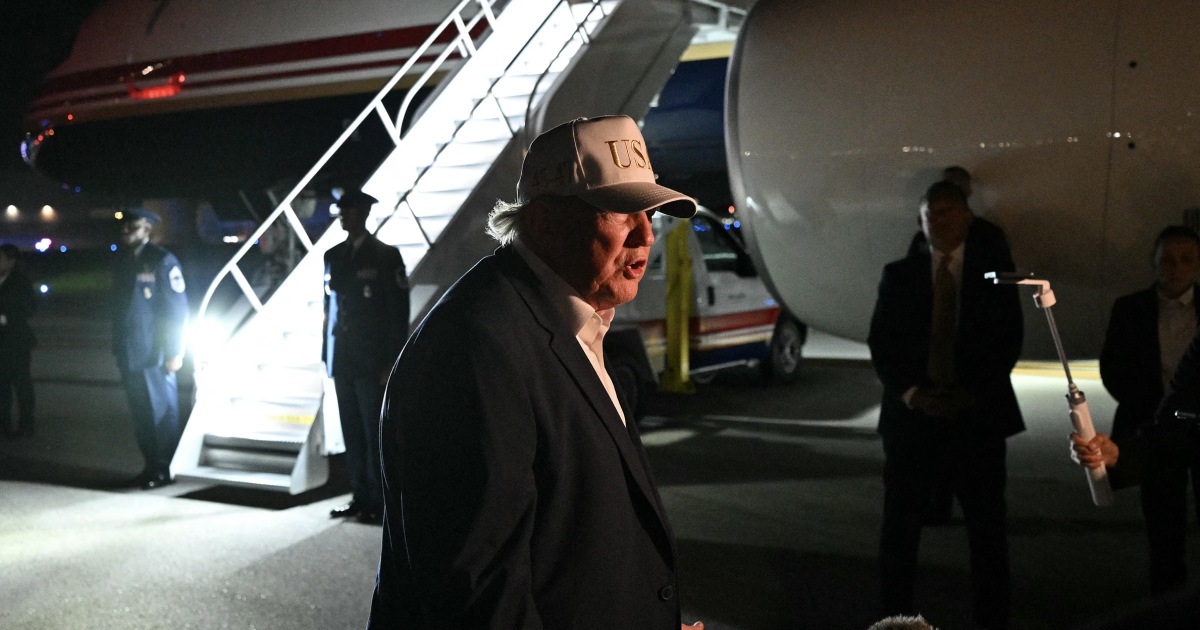
President Donald Trump has ordered federal contractors to check with the White House before responding to Congress. This new direction changes how companies working with the national government share information with lawmakers. The order puts the White House right in the middle of these routine checks.

Why Did Trump Order Federal Contractors to Check With White House?

The main goal of this decision is to keep tight control over the information sent to Capitol Hill. When lawmakers ask questions about public projects, contractors usually reply directly to them. Under the new rule, those answers must go through official administration checks first.

Supporters of the move say it helps the government speak with one clear voice. They believe it stops mixed messages from getting out to the public and lawmakers. You can read more context about this leadership style on the page for the second presidency of Donald Trump online.

What Does This New Order Mean for Lawmakers in Congress?

Members of Congress often rely on private companies to get clear details about government work. Lawmakers use these direct reports to see if public money is spent well and if programs work right. Now, some leaders worry that getting answers will take much longer than before.

When the executive branch steps in, Congress may find it harder to check up on government actions. Committees might need to send extra reminders to get the reports they requested. This creates a bigger hurdle for anyone trying to investigate how agencies handle everyday tasks.

How Will Federal Contractors Handle This Big Change?

Private companies that hold government contracts must now set up new steps for their legal teams. Before sending any letter or file to a congressional committee, they have to send it to administration staff. This extra step adds more work for businesses that build roads, manage data, or guard public buildings.

Many contractors want to follow the rules so they do not lose their government work. However, waiting for approval from top officials can slow down important projects. Companies must balance their duties to lawmakers with the new rules set by administration leaders.

What Should the Public Watch for Next?

People should watch how Congress reacts to this new barrier. Lawmakers from both major parties usually protect their right to ask questions and get fast answers from workers. If delays grow too long, lawmakers might hold hearings or write new laws to protect direct communication.

It is also useful to track how this choice fits into the early months of the administration. You can learn about early actions by checking the history of the first 100 days of the second Trump presidency. Time will tell if this policy stays in place or faces a legal challenge.

Democrats Probe Donald Trump Jr.-Aligned Businesses

Democrats Probe Donald Trump Jr.-Aligned Businesses

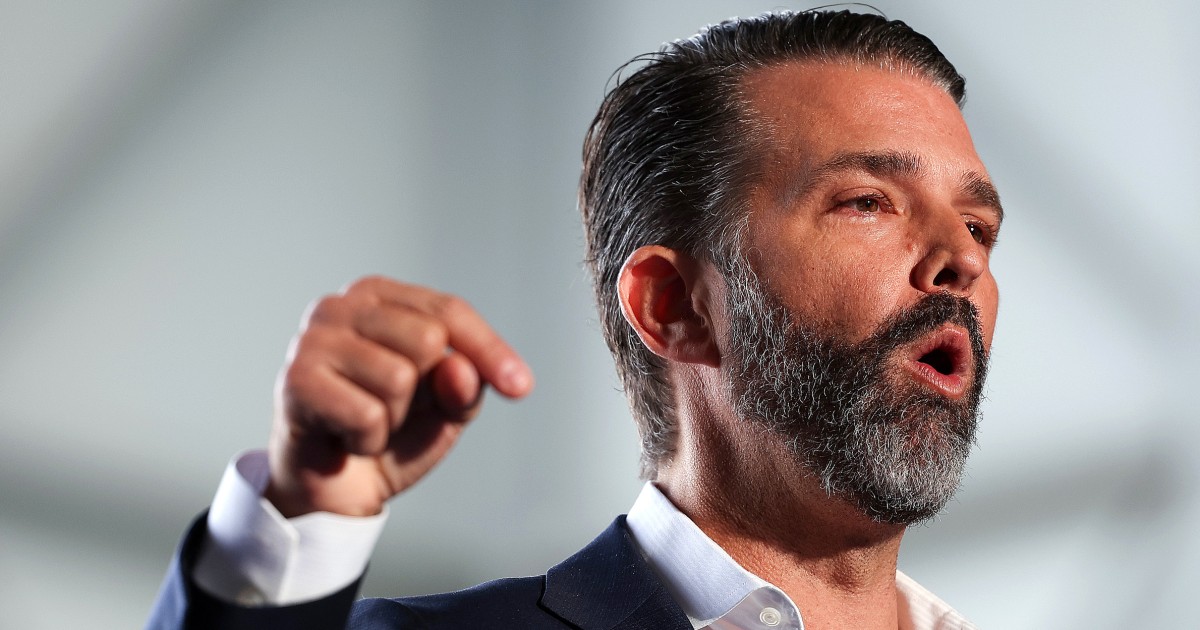
Democrats are launching a new probe into businesses connected to Donald Trump Jr. According to a report from KGOU, lawmakers want to know if these firms got special benefits from government access. This inquiry looks closely at how private business and public office mix together.

What are Democrats asking about Trump Jr. businesses?

The main question from Democrats is whether close ties to the government helped specific companies make money. Lawmakers are checking if public connections gave these businesses unfair advantages over normal competitors. They want to see records and communications that show how these deals came together.

This kind of inquiry is a standard tool used by members of Congress to hold powerful people accountable. Lawmakers argue that public service should never be used to help family members or business partners win special favors. They plan to look at agency records to track down any signs of favoritism.

Why do voters care about government access?

Everyday citizens care about government access because public rules should treat everyone fairly. When well-connected people get an inside track, normal small businesses often lose out on valuable opportunities. Voters often worry that private profits might come at the expense of ordinary taxpayers who follow every rule.

  • Inquiries check if political ties create unfair business perks.
  • Congress uses oversight powers to review government ethics.
  • Voters want clear rules that apply equally to every company.

Congressional oversight has often focused on the business dealings of political families. Over the years, lawmakers have launched many reviews into high-profile leaders, including past efforts to impeach Donald Trump over various actions while in power. This new inquiry follows a long pattern of members of Congress asking tough questions about power and ethics.

What will happen next with this business inquiry?

Lawmakers will likely ask for documents, letters, and emails from government agencies. They will review these papers to see if anyone broke rules or acted improperly. If officials refuse to share information, the committee leaders might push harder with formal requests to get answers.

The findings from this probe could lead to public hearings or new proposals for ethics laws. Both sides in Washington will watch the results very closely as the debate unfolds. The outcome will depend on what the records show about these business connections and government decisions.

Tuesday, November 24, 2026

Democrats Probe Trump Jr. Businesses and Government Access

Democrats Probe Trump Jr. Businesses and Government Access

Democrats in Congress are looking into private firms connected to Donald Donald Trump Jr. According to reporting from KGOU, lawmakers want to know if these businesses received special perks from having government access. The inquiry focuses on whether personal ties were used to help private companies gain an unfair edge.

What are Democrats investigating right now?

Lawmakers are examining the line between private business and official public service. The probe asks whether people close to power used their position to open doors for specific companies. Lawmakers want to see records and communications to understand if any official rules were broken.

The goal is to find out if public resources or contacts helped private firms make more money. Congressional leaders say that clear ethics rules must protect the public trust at all times. When businesses get help from leaders, other companies can get left behind.

Why government access matters to regular people

Fair rules in business keep the market honest for every company, large or small. If some owners get special favors through political ties, fair competition breaks down quickly. Everyday taxpayers want to know that public offices work for all citizens, not just well-connected insiders.

These kinds of inquiries often lead to discussions about rules across United States federal executive departments. When lawmakers review business deals, they check how public staff interact with private firms. Open oversight helps voters see how their tax dollars and public agencies are being run every day.

  • Lawmakers are checking if private companies received special help.
  • The inquiry looks closely at businesses tied to Donald Trump Jr.
  • The main question is whether government access created an unfair advantage.

What could happen next with the inquiry?

Committees in Congress can ask for emails, visitor logs, and business contracts to check the facts. If lawmakers find evidence of wrongdoing, they can hold public hearings to ask direct questions. They can also share their findings with the public and recommend changes to current ethics laws.

Supporters of the inquiry say it protects the integrity of our system of government. On the other side, defenders often argue that these actions are driven by partisan politics rather than real violations. The next steps will depend on what documents the committee uncovers as the review moves forward.

Saturday, November 21, 2026

GOP Sen. Johnson Rejects Linking Funds to Iran War

GOP Sen. Johnson Rejects Linking Funds to Iran War

According to a report by KGOU, Republican Senator Johnson has rejected a plan to tie government funding to an end to the Iran war. Lawmakers are working to pass the next federal budget. The senator made his position clear as budget talks continue in Washington.

What did GOP Sen. Johnson say about government funding?

According to KGOU, GOP Sen. Johnson rejects tying government funding to an end to the Iran war. Some lawmakers often look for ways to use spending bills to change foreign policy. Senator Johnson does not want these two issues joined together during the budget process.

Passing federal funding is one of the main tasks for Congress each year. When leaders link war policies to spending bills, debates can slow down fast. Senator Johnson's choice shows that he wants to keep regular government cash separate from foreign conflict votes.

Why do lawmakers fight over tying war policy to the budget?

Congress holds the power of the purse for the whole country. Members sometimes try to add foreign policy rules to big funding packages because those bills must pass. If a bill must pass to keep offices open, lawmakers use it to gain use.

Here are the key points behind these budget fights:

  • Government funding bills are needed to keep federal agencies open.
  • Some members want to use spending bills to stop or limit military actions.
  • Leaders like Senator Johnson argue that budget bills should not carry these foreign policy rules.
  • Disagreements over these rules can cause delays in passing the budget.

What happens next in the federal funding fight?

Congress will continue to debate how to fund the government in the coming weeks. Leaders from both parties must work together to find bills that can pass both chambers. Disagreements over foreign policy and federal spending often lead to long debates right up to key deadlines.

Ordinary citizens watch these talks closely because federal spending affects public offices and national programs. When senators take a firm stand on what can and cannot be in a bill, it shapes the final deal. Lawmakers will now have to decide whether to drop the Iran war issue or keep pushing for it in other legislation.

Thursday, November 19, 2026

Democrats May Gain House Majority in Government Shutdown

Democrats May Gain House Majority in Government Shutdown

Democrats could enter the congressional majority during a government shutdown, according to a report from Fox News. Lawmakers face a tight deadline to fund federal agencies and keep offices open. This potential shift in power comes as both parties struggle to reach a budget deal.

What could happen during a government shutdown?

A government shutdown happens when lawmakers do not pass spending bills in time. When funding runs out, federal agencies must pause many normal activities. Only workers deemed essential stay on the job, often without pay until the budget fight ends.

National parks might close their gates, and passport processing can slow down. Many families worry about delays in services and paychecks for military members. A shutdown shows just how divided leaders in Washington are right now.

Could Democrats enter majority in a government shutdown?

Fox News reports that Democrats could step into the majority role right as a shutdown begins. Taking the majority changes who leads key committees and who controls the daily schedule on the floor. It also changes who decides which bills get a vote and which ones get shelved.

A shift in control during a crisis brings extra pressure. The party in charge usually takes the blame if offices stay closed for a long time. Leaders must find a way to compromise quickly to get the government running again.

Key facts about the funding battle

Budget deadlines often lead to heated political fights in Congress. Here are the main things to keep in mind about this standoff:

  • Federal funding deadlines force lawmakers to make fast choices.
  • A party switch in the majority shifts committee leadership and voting power.
  • Federal workers and public services face delays until funding is approved.
  • Both political parties must agree before any budget bill becomes law.

What happens next in Congress?

Lawmakers must decide whether to pass a short patch or a full budget. A short patch buys more time for talks, while a full budget settles numbers for the whole year. Both paths need votes from both sides to pass.

Voters across the country will watch how their representatives handle the deadline. If the shutdown happens, public anger could grow very fast. The next few days will test whether Congress can work together or stay stuck.

Democrats Could Take Control in a Government Shutdown

Democrats Could Take Control in a Government Shutdown

Democrats could gain a congressional majority if the federal government enters a shutdown. This sudden shift in power would change how laws get passed in Washington. It comes as lawmakers face a tight deadline to keep funding open for critical public services.

What is a government shutdown?

A government shutdown happens when lawmakers fail to pass new funding bills on time. Without an approved budget, many federal agencies must stop work instantly. Thousands of workers get sent home without pay until a deal gets made by leaders.

Shutdowns often lead to big political fights over who is to blame for the mess. Both parties use the event to pressure the other side into making trade-offs. The public often feels the impact through delayed services and closed national parks.

How could Democrats take the congressional majority?

Control of Congress usually depends on which party wins the most total seats during an election. But special rules, missed votes, or empty seats can quickly change the balance of power during a budget fight. A shift like this gives the minority party far more vote control than usual.

If Democrats take over the majority during this period, they set the agenda for new bills. They can control which topics get voted on and which ideas get dropped. This would make it much harder for the opposing side to push their own plans through Congress.

What does this political shift mean for everyday people?

A change in congressional power directly touches the daily budget of regular families. It determines how public funds get spent on roads, health care, and local schools. When leaders fight over control, everyday decisions face long delays in the capital.

Here is what happens when power flips during a major spending crisis:

  • New bill priorities: The new leaders decide which laws get voted on first.
  • Budget spending changes: Funding moves toward different public projects and programs.
  • Voting delays: Passing simple bills takes more time due to heated debates.

What should readers watch for next in Washington?

Lawmakers must meet to vote before current money runs out completely. Voters need to watch how party leaders handle these final talks over national spending. Any sudden change in key votes could trigger the start of a shutdown right away.

The coming days will show if a compromise is still possible among lawmakers. If a shutdown occurs, the new party balance will shape future votes for months. Everyone will closely follow the news to see who leads the House when the doors reopen.