prediction markets

Loading top stories...
Showing posts with label prediction markets. Show all posts

Monday, November 23, 2026

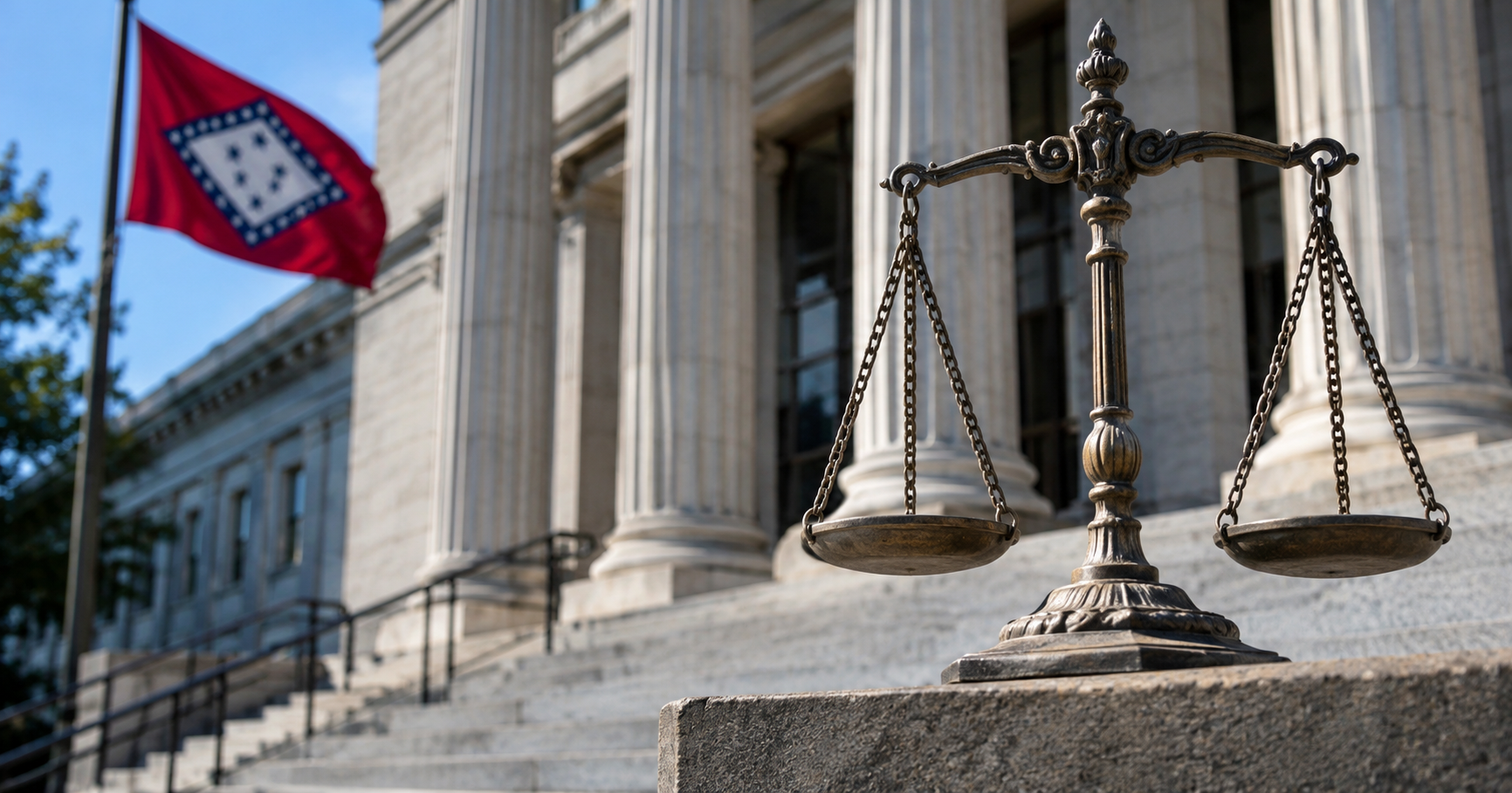
Federal Government Sues Arkansas Over Prediction Markets Lawsuit

Federal Government Sues Arkansas Over Prediction Markets Lawsuit

The federal government sues Arkansas over a lawsuit about Kalshi. Federal officials say individual states can not regulate prediction markets. This legal move starts a major fight over who controls these online betting platforms.

What Is the Kalshi Lawsuit About?

The federal government decided to sue the state of Arkansas recently. The argument centers on a legal dispute related to Kalshi, a popular platform for prediction markets. Federal lawyers claim that states do not have the legal power to set rules for these markets.

Arkansas tried to use its own state laws to regulate how these platforms work. The federal government disagrees with that approach completely. Federal officials want a court to stop Arkansas from stepping into this area of law.

Can States Regulate Prediction Markets?

This court battle asks a big question about government power and control. Many people want to know: can states regulate prediction markets on their own? The federal government says the answer is no, because national regulators should handle these financial markets instead.

If federal officials win this case, states will lose the power to stop or change prediction trading inside their borders. That means one nationwide set of rules would apply to everyone. If Arkansas wins, many different state rules could pop up across the country.

Why Does the Kalshi Case Matter to You?

Many everyday people use online prediction markets to trade on future events. These markets let users buy and sell contracts based on what they think will happen. When governments fight over the rules, it can change which apps you are allowed to use in your home state.

A victory for the federal government keeps state regulators away from these websites. This could make it easier for companies like Kalshi to operate in every state without facing local legal bans. Users would not have to worry about their state suddenly blocking access to the platform.

What Happens Next in the Federal Lawsuit?

The lawsuit will now go through the federal court system. Judges must look at the law and decide if Arkansas crossed the line. Both sides will present their arguments about who gets to oversee these trading systems.

People who follow financial news will watch this case very closely. The final verdict could set a standard for all fifty states. Until the court makes a final ruling, the argument over prediction markets will remain a major legal issue.


Sunday, November 22, 2026

US Sues Arkansas Over Kalshi Prediction Markets

US Sues Arkansas Over Kalshi Prediction Markets

The federal government sues Arkansas over a lawsuit involving the trading site Kalshi. Federal officials say states cannot regulate prediction markets on their own. This big fight will decide who controls these online event bets.

What is the lawsuit about prediction markets?

The main fight is over who gets to make rules for prediction markets like Kalshi. The federal government argues that individual states do not have the power to regulate these platforms. They want a single set of national rules instead of fifty different state laws. Arkansas tried to use its own rules, but federal lawyers filed a case to stop them.

Prediction markets let people trade contracts based on future events like elections or economic reports. Because these sites look a lot like financial exchanges, federal agencies want to be the only ones in charge. Arkansas believes it has the right to protect its own citizens from these kinds of trades. Now a judge will have to pick a side in this big battle.

Can states regulate prediction markets like Kalshi?

Many state leaders want to control online prediction sites to stop illegal gambling in their cities. They worry that these trades can hurt local buyers who do not know the risks. If states lose this legal battle, they will not be able to shut down sites like Kalshi inside their borders. That means state laws would not apply to these special online trades.

Federal agencies argue that nationwide websites need just one set of federal rules to run smoothly. They say that letting every state make its own rules would create total chaos for online businesses. The outcome of this case will set a strong rule for all fifty states. Key points in this national debate include:

  • The federal government claims full authority over all prediction markets.
  • Arkansas wants the power to enforce its own state rules on Kalshi.
  • The final ruling will clear up whether states can block trading sites.
  • Other states are watching this case closely before making their own rules.

Why this legal battle matters for regular voters

Regular people use prediction markets to trade money on real events. If federal laws win, users will have the same rules no matter where they live in the country. This can make trading simpler, but it also takes away local protections from state leaders. People in Arkansas might see different online trading options depending on how this case ends.

This court fight also changes how easily people can place trades on major news events. When state rules get blocked, national platforms can grow much faster without state interference. However, critics worry that federal rules might not be tough enough to protect local users. It shows how hard it is to control modern online sites with old state laws.

What to watch next in the Arkansas Kalshi case

Lawyers for both sides will present their arguments in federal court soon. The court needs to decide if federal law completely beats state authority on this topic. A quick decision could stop other states from trying to block Kalshi right now. A slow case means months of waiting for traders and state leaders alike.

Other states might join Arkansas to fight for their local rights against the federal government. If Arkansas wins, many states will likely write strict new laws for prediction markets. If the federal government wins, Kalshi and similar sites can run freely across the whole nation under federal oversight. Everyone who tracks legal politics will keep an eye on this major verdict.

Wednesday, November 18, 2026

Odds for Government Shutdown in December Rise on Markets

Odds for Government Shutdown in December Rise on Markets

According to Federal News Network, online prediction markets are showing active trading on the odds for a government shutdown in December. Traders are betting on whether lawmakers will reach a budget deal in time. A funding lapse could stall regular public work and pause many public offices.

What are the odds for government shutdown in December?

According to Federal News Network, people are using political betting markets to track the chances of a federal closure this winter. These platforms let users buy and sell shares based on what they think Congress will do. When the price of these shares shifts, it shows how confident traders feel about a budget deal passing.

Market odds change quickly as lawmakers hold meetings and share their plans. Many people watch these numbers because they reflect real-time public opinion. While these platforms do not decide the law, they offer an early look at what observers expect from Washington.

Why market odds matter to everyday people

A federal funding lapse affects millions of families across the country. If offices close, many federal employees must work without pay or stay home until a deal passes. Everyday services like passport processing, national park gates, and small business support can also slow down or pause.

When money stops moving through federal agencies, local economies feel the shock very quickly. Towns with military bases or large agency offices often see less spending at local shops. Following these market signals helps families prepare for sudden pauses in regular public services.

Key facts about federal shutdown risks

Budget deadlines often lead to tense talks in the capital. Here are the main things to keep in mind about funding debates:

  • Traders on political markets place bets on whether funding bills will pass on time.
  • Congress must agree on spending levels to keep federal agencies open.
  • Past disputes, such as the 2025 United States federal government shutdown, show how difficult spending talks can become.
  • A lack of funding can delay work for thousands of public employees.

Lawmakers often wait until the final hours before a deadline to strike an agreement. This pattern keeps the market odds moving up and down until the very end. The final outcome always rests on whether both parties can find common ground.

What should you watch next as the deadline nears

In the coming days, leaders in Congress will try to build support for short-term or full-year funding plans. News about committee votes and party meetings will quickly influence the prediction markets. Observers will look for signs that both sides are willing to compromise on spending limits.

If talks stall, the chances of a funding gap will rise further on the trading boards. Voters and federal workers will want to watch floor votes closely as December approaches. The next few weeks will decide if the government stays open without interruption.