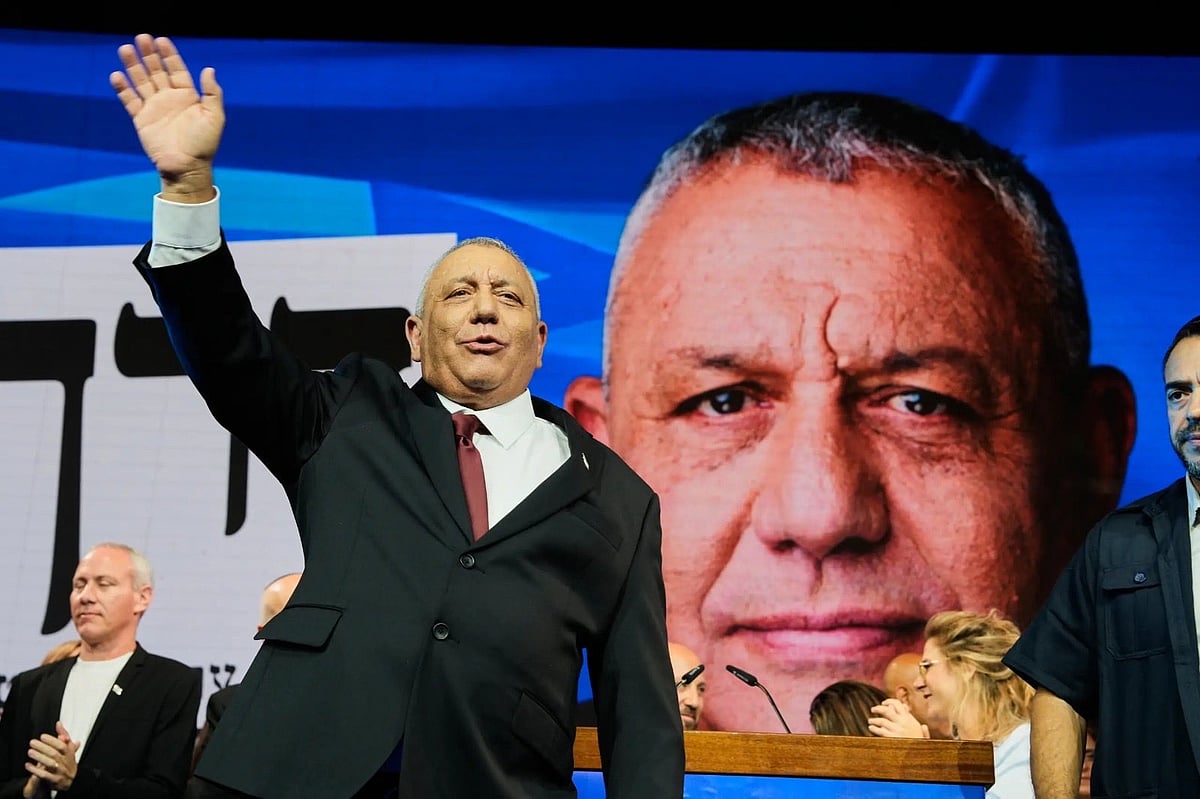
Gadi Eisenkot has vowed to bring about a new Israeli government swiftly. The former military leader turned politician believes the current leadership must change right away. He is pushing for a fast transition to ensure the country has a new direction.
What is Gadi Eisenkot planning for Israel?
Gadi Eisenkot wants to move quickly to set up a different government for the people. He believes that the current political path is not working for the nation anymore. By vowing a swift change, he is signaling to voters that he is ready to lead a new coalition. This move could lead to early elections if enough members of the current government agree to step down.
The plan involves gathering support from various political groups that want a fresh start. Eisenkot is known for his time as a top general, which gives him a lot of respect among certain voters. He is using this reputation to convince people that a change in power is necessary for safety and stability. If he succeeds, the entire political structure of the country could look very different in a few months.
How will a new government affect ordinary people?
When a government changes quickly, ordinary citizens often see shifts in how the country is run day to day. A new leadership team might change how money is spent on schools, roads, and healthcare. People in Israel are watching these events closely because political stability affects their jobs and their safety. A swift change could either bring peace of mind or cause more confusion during the transition period.
- New leaders might change the rules for taxes and business growth.
- The military and police could get new orders on how to handle security.
- International relationships might shift depending on who takes power next.
- Public trust in the voting system often grows when leaders listen to calls for change.
What led to this call for a swift change?
Israel has faced many years of political tension and several elections in a short time. Many people feel that the current leaders have stayed in power for too long without solving big problems. This frustration has allowed leaders like Eisenkot to gain more support from the public. He is tapping into the feeling that the current system is stuck and needs a strong push to move forward.
Before this announcement, there were many protests and debates about how the country is being managed. Some citizens feel that the government is not focusing enough on the needs of the average family. Eisenkot's promise to bring a new government swiftly is a response to these growing voices. He wants to show that he can provide the quick action that many voters have been asking for lately.
What should we watch for in the coming weeks?
The next big step is to see if other political leaders join Eisenkot in his mission. For a new government to form, he needs to build a team that can win a majority of seats. This means there will be a lot of meetings and deals made behind closed doors. We should watch for any announcements about new alliances between different parties that usually do not work together.
We should also look for news about a specific date for new elections or a vote of no confidence. If the current government feels too much pressure, they might agree to step down sooner than expected. The speed of this change will depend on how much the public continues to support Eisenkot's vision. This is a very fast-moving story that could change the future of the region very soon.