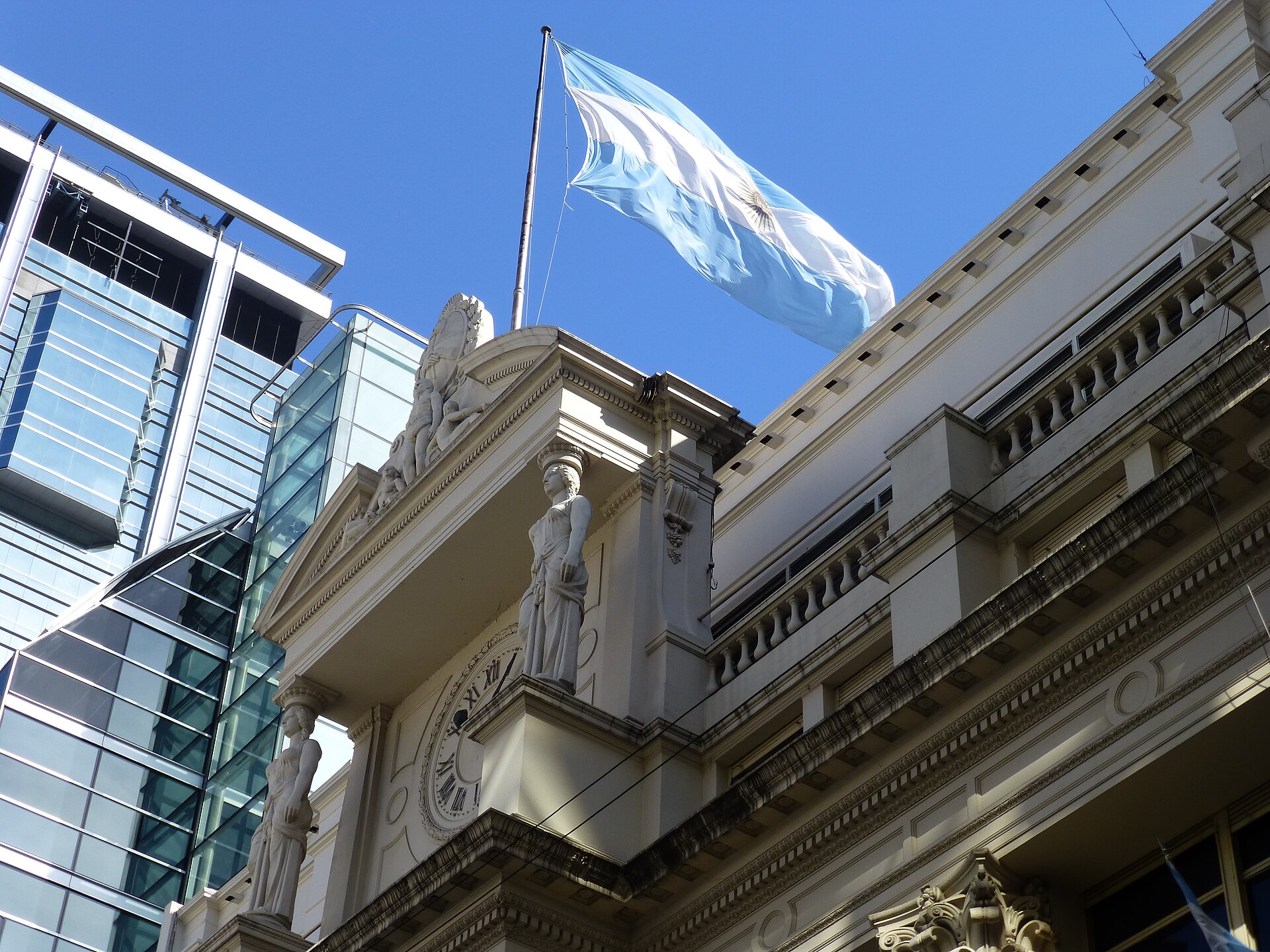
Argentina has banned its Central Bank from printing money to pay for government spending. The bold new rule stops the nation from creating new cash to cover its daily bills. Leaders hope this decision will help stabilize the country's money system fast.
What does the money printing ban in Argentina mean?
For many years, the government spent more money than it actually had. When it ran out of cash, it simply ordered the bank to print more bills. This practice flooded the market with extra cash and caused big financial troubles across the nation.
Now, the government must live on the money it collects through normal channels. It cannot rely on the central bank to cover its extra bills anymore. This forces leaders to cut back on spending and manage their budget much better.
Why is printing money to fund spending a problem?
When a government prints too much money, the cash in your pocket loses its value. Prices in stores go up fast because there is too much money chasing the same goods. Normal families find it hard to buy food, pay rent, or save for the future.
By stopping the printing presses, leaders want to protect the value of their currency. They hope that keeping cash scarce will bring prices back down to normal levels. It is a tough step, but experts say it is essential for long-term health.
How will this decision affect ordinary people?
In the short term, the government will have less money to hand out. This means it might cut back on public programs, building projects, and state jobs. People might see fewer public services as the country adjusts to living on a strict budget.
In the long run, the change should help lower the cost of living. If the strategy works, prices in shops will stop rising every single week. That will make it much easier for regular families to plan their monthly budget and save money.
What to watch next for Argentina's economy
People are watching to see if the government can stick to its new rule. Leaders must find ways to balance the budget without relying on central bank help. If spending gets too high again, they will face hard choices about what to cut next.
Investors and international markets are also keeping a close eye on the situation. If the nation successfully stops printing excess cash, foreign businesses might start investing there again. That could bring new jobs and help build a stronger economic future for everyone.


