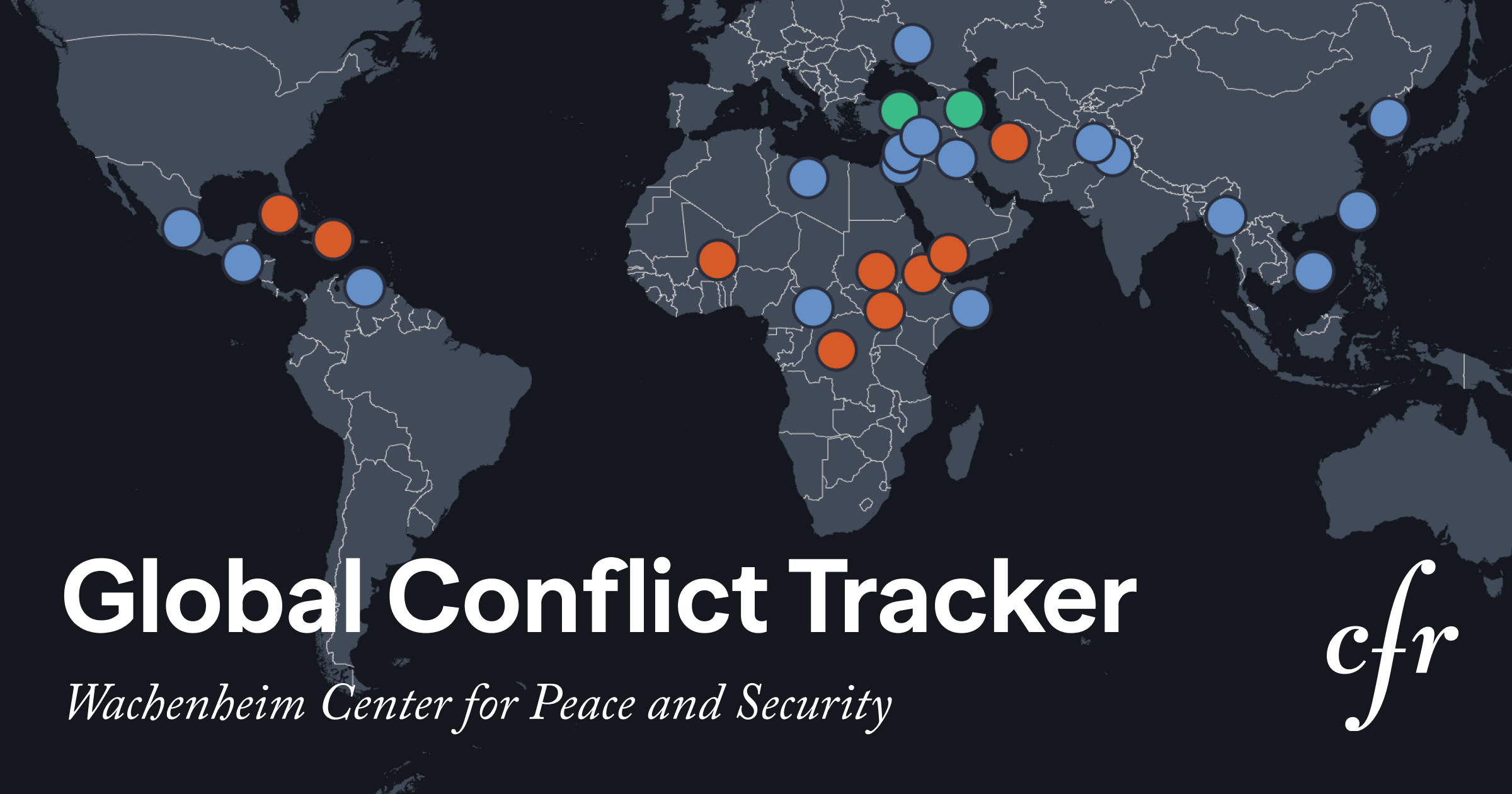
The Council on Foreign Relations has published an update on the conflict in Ethiopia through its Global Conflict Tracker. The tracker follows ongoing instability and fighting that impact the nation and the wider Horn of Africa. This ongoing crisis continues to draw close attention from leaders and humanitarian groups across the globe.
What is happening with the conflict in Ethiopia?
The latest tracker report focuses on the persistent unrest across different parts of the nation. Fighting between regional forces and national authorities has created deep uncertainty for millions of civilians. You can read more about past fighting in the wider Ethiopian civil conflict (2018, present) to understand how earlier clashes set the stage for these events.
Disputes over local self-rule, regional borders, and political power remain at the center of the troubles. When local tensions boil over into armed clashes, essential services break down quickly. Aid groups struggle to deliver medical supplies, clean water, and basic grains to communities cut off by roadblocks and military activity.
How does the fighting affect everyday families?
Instability changes daily life for ordinary citizens in immediate and painful ways. Farmers often cannot plant their fields or harvest their crops when fighting breaks out near their villages. Markets close down, prices for simple foods shoot up, and schools are forced to shut their doors, leaving children without a safe place to learn.
The crisis also triggers large waves of displaced people who must leave everything behind. Many families walk for miles to find safety in temporary camps or crowded border towns. History shows that regional instability can quickly spill into neighboring areas, as seen in historical events like the Ethiopian, Somali conflict over shared borders and security concerns.
Key factors driving the unrest
- Ongoing arguments over political control between regional leaders and federal authorities.
- Disputes regarding borders and natural resources between neighboring ethnic communities.
- Disruptions to key trade routes that supply food, fuel, and medicine to local towns.
- Large numbers of displaced people who need urgent food and emergency shelter.
These elements create a cycle that is very hard to break without sustained peace talks. When basic resources run low, competition for food and water often leads to fresh clashes among neighbors. Regional administrators must constantly balance security measures with the desperate needs of the local civilian population.
What should the world watch next?
Foreign observers will keep watching whether diplomatic efforts can bring opposing sides to an agreement. International organizations continue to ask for safe humanitarian corridors so that supplies can reach isolated towns. The response from global partners will decide how much emergency aid arrives over the coming months.
Long-term recovery will require clear commitments to dialogue and rebuilding broken infrastructure. If leaders can secure quiet roads and safe farms, families will slowly return to rebuild their homes. The coming weeks will show whether local ceasefires hold or if regional instability will spread further across the country.


No comments:
Post a Comment