voting

Loading top stories...
Showing posts with label voting. Show all posts

Friday, November 27, 2026

Is Britain Returning to Two-Party Politics?

Is Britain returning to two-party politics after years of voters picking smaller parties? Recent political movements show that the country might be shifting back to its classic power split. This change could shape how laws get made and who leads the nation next.

Is Britain returning to two-party politics?

For a long time, smaller political groups gained seats and took votes away from the main players. Now, observers are asking if Britain is returning to two-party politics as voters focus back on the two largest groups. When big parties dominate, they can win larger majorities in government elections.

Many voters choose smaller parties when they feel the main leaders do not hear their concerns. However, when big election decisions arrive, many people return to the main choices to make sure their vote counts toward the final winner. This habit often pushes the political system back into a strict two-way battle.

How traditional British voting works for everyday people

The system in Britain has often relied on a strong head of state working alongside elected leaders. People who want to learn about the history of top leaders can read about the Monarchy of the United Kingdom to see how government authority developed over time. In daily life, voters focus mostly on which party gets to control the main parliament building.

When two main parties control the debate, passing new rules can become much faster. Smaller parties often struggle to get their ideas turned into law when the two major groups hold most of the seats. This setup can give the winning team a clear path to run the country without needing to make deals with rivals.

What a return to two parties means for smaller groups

A shift back to a simple two-way system makes life harder for third parties. These smaller groups often need to work extra hard to get news coverage and convince people that their votes will not be wasted. If voters feel a smaller team cannot win power, they may stop giving them financial support and votes.

Some countries operate under a constitutional monarchy where official rules strictly limit royal power while elected politicians handle all the daily laws. In these nations, having two strong political sides can lead to clear debates on major issues like public spending, tax rules, and local jobs.

What to watch for in upcoming local choices

Voters should watch upcoming local polls to see if this trend continues across every region. If the two top parties keep winning higher percentages of the vote, smaller groups may lose their remaining influence in parliament. The next big public votes will show if people truly want a two-party choice or if they still prefer more options.

Political leaders will adjust their campaign messages based on how these trends move. If the main teams see that voters are coming back to them, they will push harder to win over undecided neighborhoods. Every vote in the next election cycle will help decide the final shape of British government.

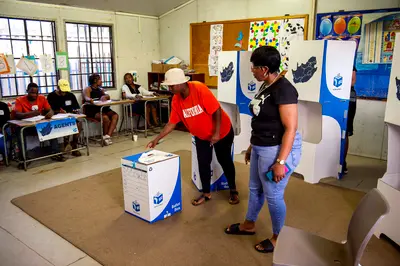
South Africa Local Government Elections Political Shift

South Africa Local Government Elections Political Shift

South Africa has completed its latest South Africa local government elections. The political landscape in cities and towns is changing quickly. Many experts now ask if traditional political ideas still matter to local leaders.

What are South Africa local government elections?

The South Africa local government elections allow citizens to choose leaders for their towns and cities. People vote for council members who control local budgets and public services. These leaders manage everyday needs like clean water, trash pickup, and road repairs in every local municipality.

These votes happen every few years across the country. They show how voters feel about the main political parties between national votes. When people are unhappy with local services, they often change who they vote for in these community elections.

Why are people talking about an ideology-free zone?

After the recent vote, many leaders are focusing on practical results instead of political party ideas. Parties that used to be rivals are now working together just to run local areas. This makes some analysts say the local government has become a place without clear political lines.

In many areas, politicians must make deals to form working councils. They are setting aside their old party rules to get things done. This new way of working changes how cities make decisions every single day.

What does this political change mean for local citizens?

For ordinary people, this shift could mean better basic services in their streets. Leaders might care more about fixing broken lights and repairing roads than arguing about party views. When politicians stop fighting over ideas, they can focus on what the community actually needs.

However, it can also make things confusing for voters. It is hard to know what a party stands for when it changes its goals to stay in power. Voters must watch their local leaders closely to see if they keep their promises.

What should you watch for next in South African politics?

detailed news reports will keep tracking how these new local councils perform. People want to see if coalitions of different parties can actually govern together without fighting. The success of these local groups will show if this pragmatic style of politics will spread across the nation.

Future votes will show if this trend continues across every metropolitan municipality in the country. If local pragmatic deals work well, voters may expect the same thing from national leaders in the next major vote. For now, local councils are testing this new way of running towns.

Thursday, November 26, 2026

Is Britain returning to two-party politics?

Britain may be moving back to a system where only two big parties hold all the power. Recent shifts suggest that the smaller groups are losing their grip on voters across the country. This change would mark a major turn in how the British government works and how people cast their votes.

Is Britain returning to two-party politics?

For a long time, voters in Britain had many different groups to choose from. Now, it looks like the Labour Party (UK) and their main rivals are taking center stage again. Many people think this makes the system simpler because one side usually wins a clear majority. When only two sides fight for power, the winner has a much easier time passing new laws.

Small parties often struggle to win seats in the British system because of how the rules are set up. Even if many people across the country like a small group, they might not win in any single local area. This makes it hard for them to get into Parliament and have a real say. Recent trends show that voters might be tired of split results and want a clear winner instead.

What this means for your vote

In a two-party system, your choice is usually between two very different ideas for the country. One side might want to spend more on schools, while the other side might want to lower taxes for businesses. This makes it easier for a regular person to understand what they are voting for on election day. You do not have to worry as much about small groups making secret deals behind closed doors.

However, some people worry that having only two choices is not fair to everyone. If you do not like either of the big groups, you might feel like your voice is not being heard at all. This is why some voters still look at the Conservative Party (UK) and other large groups with a mix of hope and doubt. They want to make sure the leaders actually listen to what the public wants.

How the system changed over time

British history has seen many different parties come and go over the last hundred years. There was a time when the Whigs (British political party) were a major force, but they eventually disappeared. Later on, the system became very stable with just two main groups for a long time. It was only in the last few decades that smaller groups started to win more often.

  • The two main parties are gaining more support in recent polls.
  • Smaller groups are finding it harder to raise money and get attention.
  • Voters seem to want a strong government that can make fast decisions.
  • The traditional way of running the country is becoming popular again.

What to watch for in the next election

The next time people go to vote, we will see if this trend is real or just a short phase. If the big parties win almost every seat, then the two-party system is officially back. This would change how news stations talk about politics and how candidates run their campaigns. They will focus more on the big national issues rather than local problems that only affect a few people.

We should also watch how the big parties act when they have no competition from the sides. Sometimes, when a party knows it is one of only two choices, it might stop trying so hard to please everyone. This is why political experts watch these shifts so closely every year. The balance of power in Britain affects everything from the price of food to how the hospitals are run.