voters

Loading top stories...
Showing posts with label voters. Show all posts

Monday, November 23, 2026

How voters respond to divided government

How voters respond to divided government

Voters are now thinking about how a divided government will change the country. This happens when different political parties control the White House and parts of Congress. People want to know if these leaders can work together or if nothing will get done.

How will voters respond to divided government?

When the government is split, voters often feel frustrated with the lack of speed. They see leaders arguing over every small detail instead of fixing big problems. This can make people feel like their voice does not matter as much in the middle of all the fighting. Many citizens start looking for ways to make their own impact on the system.

Some people choose to become an independent voter to show they do not follow just one side. These voters often decide who wins the most important elections. They watch how the divided government handles the budget and new laws before they pick a side. This group is growing because they want results rather than party loyalty.

What does a split government mean for laws?

A divided government usually means that only a few new laws can pass. Both sides have to agree on a middle ground, which is very hard to do today. If one side wants to spend money and the other side wants to save it, they often reach a dead end. This stops big changes from happening quickly in the country.

Voters might see these key things happen during a split:

  • Long debates that last for many months without a clear winner.
  • More use of executive orders by the President to get things done.
  • Frequent threats of the government shutting down over money.
  • A focus on small issues where both parties can actually agree.
These outcomes make people pay closer attention to how their local leaders act in Washington.

Why do people care about voter rules?

When the government is stuck, people focus more on how elections work. They want to make sure every vote is counted fairly and that the rules are clear. Different states have different ways of running their polls. This leads to many debates about the best way to let people cast their ballots.

Many citizens look into voter identification laws in the United States to see what they need to bring to the polls. Knowing the rules helps people feel ready when it is time to choose their next leaders. Clear rules help keep the peace even when the politicians are fighting for power.

What should we watch for next?

We should watch how the leaders talk to each other in the coming weeks. If they start to compromise, the divided government might actually pass some helpful bills. If they keep shouting at each other, voters might get even more upset. The way they behave now will set the tone for the next big election cycle.

Voters will also look at how these splits affect their daily lives and their wallets. Prices and jobs are often the main things that make people change their minds about a party. If the divided government cannot help the economy, the voters will likely look for a big change next time. Everyone is waiting to see who will blink first in this power struggle.

How Will Voters Respond to Divided Government?

How Will Voters Respond to Divided Government?

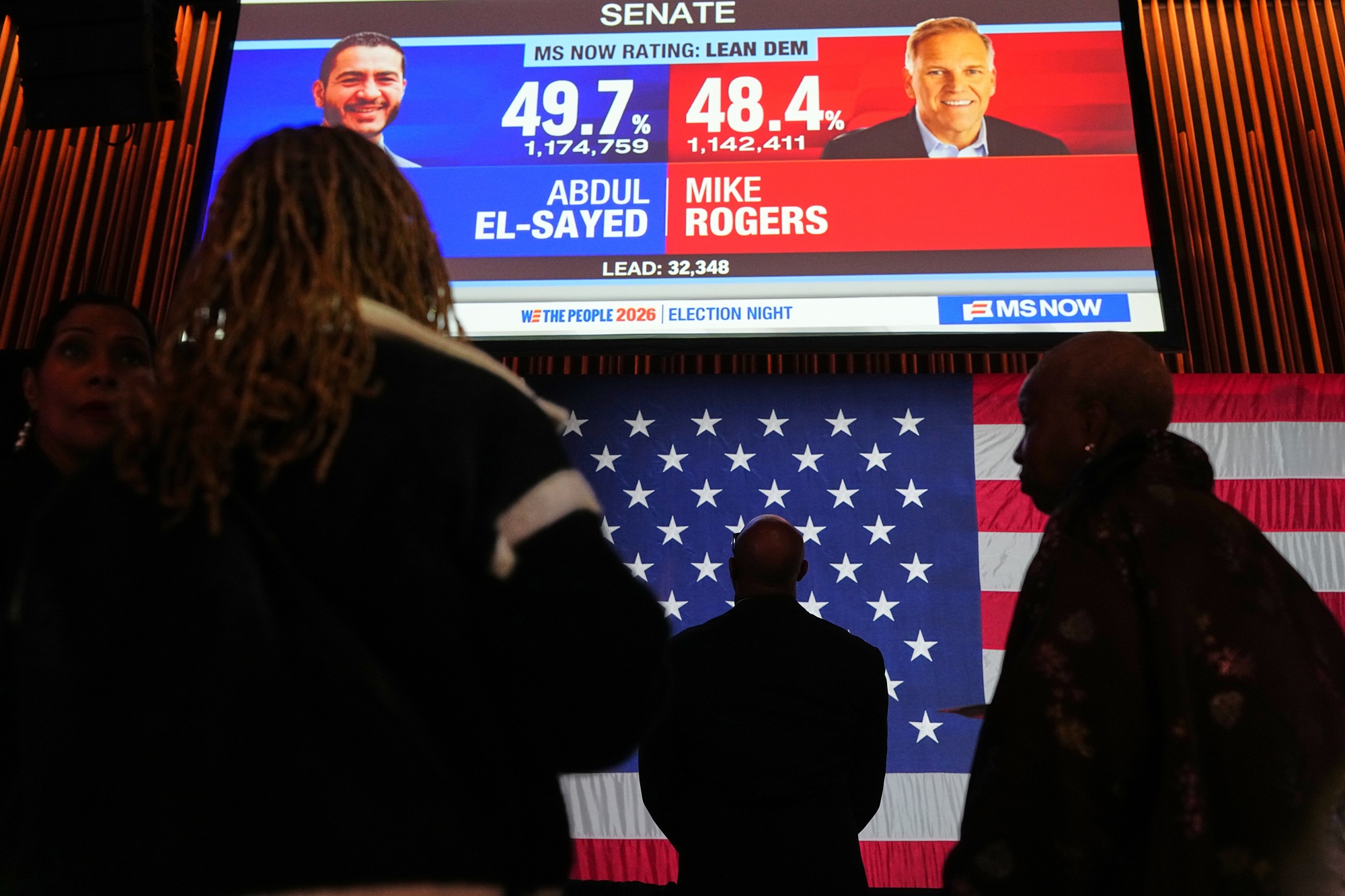
Voters across America are facing a divided government after the latest political shifts. People are now deciding how to respond to political parties sharing power in Washington. This big change will affect how laws get passed in the coming years.

How will voters respond to divided government?

A divided government happens when one political party controls the White House and another party controls Congress. Voters often have mixed feelings when power gets split like this. Some people like it because it forces politicians to compromise on big issues. Other people dislike it because it can lead to political gridlock where nothing gets done.

Many citizens choose to vote as an independent voter when they get tired of main party fighting. These voters often decide the outcome of major elections. They watch how leaders handle split power before deciding who gets their vote next time. Public opinion can change quickly if politicians spend more time arguing than helping the country.

What a split in political power means for ordinary people

When political power is split, daily life for regular citizens can still be impacted by the decision of lawmakers. Congress might struggle to pass major bills about taxes, spending, or social programs. People may see fewer big legislative changes and more debates on news channels every day. Leaders from both sides must talk to each other to keep the government running smoothly.

The League of Women Voters often helps educate citizens on how changes in government affect their local communities. When gridlock happens, local policies often become more important to everyday citizens. People start looking to their city and state leaders to fix problems that Washington cannot solve. Understanding government structure helps citizens make better choices at the ballot box.

Key facts about government elections and voter habits

Understanding how people vote helps explain why a split power structure happens so often in politics. Here are key points about how voters interact with split leadership:

  • Midterm elections often shift power away from the president's political party.
  • Voters sometimes split their ballots by choosing candidates from different parties on one ticket.
  • Public trust in lawmakers changes based on how much work gets finished.
  • Voter turnout can rise when people feel their vote will break a political tie.

Election rules also shape how easily citizens can participate in these big decisions. States set their own laws about registering to vote and showing identification at polling locations. Changes to voter identification laws in the United States can influence how many people turn out to cast a ballot during tense election cycles.

What to watch next in national politics

The main thing to watch next is how political leaders handle major budget deadlines and new bills. If party leaders work together, they can pass important laws that help the country move forward. If they choose to fight, essential government programs could face delays or funding shortages. Voters will be watching every move carefully as the next election cycle begins.

News outlets like NBC News will keep following public reactions through fresh opinion polls and field reporting. Citizens will express their feelings through local town halls, public protests, and social media posts. The public reaction over the next few months will set the stage for how national elections play out in the future.