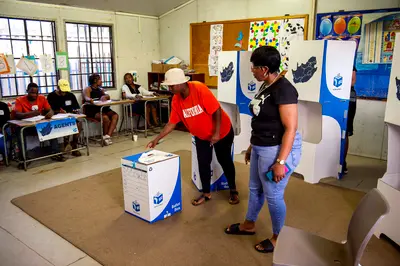
South Africa has completed its latest South Africa local government elections. The political landscape in cities and towns is changing quickly. Many experts now ask if traditional political ideas still matter to local leaders.
What are South Africa local government elections?
The South Africa local government elections allow citizens to choose leaders for their towns and cities. People vote for council members who control local budgets and public services. These leaders manage everyday needs like clean water, trash pickup, and road repairs in every local municipality.
These votes happen every few years across the country. They show how voters feel about the main political parties between national votes. When people are unhappy with local services, they often change who they vote for in these community elections.
Why are people talking about an ideology-free zone?
After the recent vote, many leaders are focusing on practical results instead of political party ideas. Parties that used to be rivals are now working together just to run local areas. This makes some analysts say the local government has become a place without clear political lines.
In many areas, politicians must make deals to form working councils. They are setting aside their old party rules to get things done. This new way of working changes how cities make decisions every single day.
What does this political change mean for local citizens?
For ordinary people, this shift could mean better basic services in their streets. Leaders might care more about fixing broken lights and repairing roads than arguing about party views. When politicians stop fighting over ideas, they can focus on what the community actually needs.
However, it can also make things confusing for voters. It is hard to know what a party stands for when it changes its goals to stay in power. Voters must watch their local leaders closely to see if they keep their promises.
What should you watch for next in South African politics?
detailed news reports will keep tracking how these new local councils perform. People want to see if coalitions of different parties can actually govern together without fighting. The success of these local groups will show if this pragmatic style of politics will spread across the nation.
Future votes will show if this trend continues across every metropolitan municipality in the country. If local pragmatic deals work well, voters may expect the same thing from national leaders in the next major vote. For now, local councils are testing this new way of running towns.


