news

Loading top stories...
Showing posts with label news. Show all posts

Wednesday, November 25, 2026

Trump Orders Federal Contractors to Check With White House

Trump Orders Federal Contractors to Check With White House

President Donald Trump has ordered federal contractors to check with the White House before responding to Congress. This new direction changes how companies working with the national government share information with lawmakers. The order puts the White House right in the middle of these routine checks.

Why Did Trump Order Federal Contractors to Check With White House?

The main goal of this decision is to keep tight control over the information sent to Capitol Hill. When lawmakers ask questions about public projects, contractors usually reply directly to them. Under the new rule, those answers must go through official administration checks first.

Supporters of the move say it helps the government speak with one clear voice. They believe it stops mixed messages from getting out to the public and lawmakers. You can read more context about this leadership style on the page for the second presidency of Donald Trump online.

What Does This New Order Mean for Lawmakers in Congress?

Members of Congress often rely on private companies to get clear details about government work. Lawmakers use these direct reports to see if public money is spent well and if programs work right. Now, some leaders worry that getting answers will take much longer than before.

When the executive branch steps in, Congress may find it harder to check up on government actions. Committees might need to send extra reminders to get the reports they requested. This creates a bigger hurdle for anyone trying to investigate how agencies handle everyday tasks.

How Will Federal Contractors Handle This Big Change?

Private companies that hold government contracts must now set up new steps for their legal teams. Before sending any letter or file to a congressional committee, they have to send it to administration staff. This extra step adds more work for businesses that build roads, manage data, or guard public buildings.

Many contractors want to follow the rules so they do not lose their government work. However, waiting for approval from top officials can slow down important projects. Companies must balance their duties to lawmakers with the new rules set by administration leaders.

What Should the Public Watch for Next?

People should watch how Congress reacts to this new barrier. Lawmakers from both major parties usually protect their right to ask questions and get fast answers from workers. If delays grow too long, lawmakers might hold hearings or write new laws to protect direct communication.

It is also useful to track how this choice fits into the early months of the administration. You can learn about early actions by checking the history of the first 100 days of the second Trump presidency. Time will tell if this policy stays in place or faces a legal challenge.

Monday, November 23, 2026

How voters respond to divided government

How voters respond to divided government

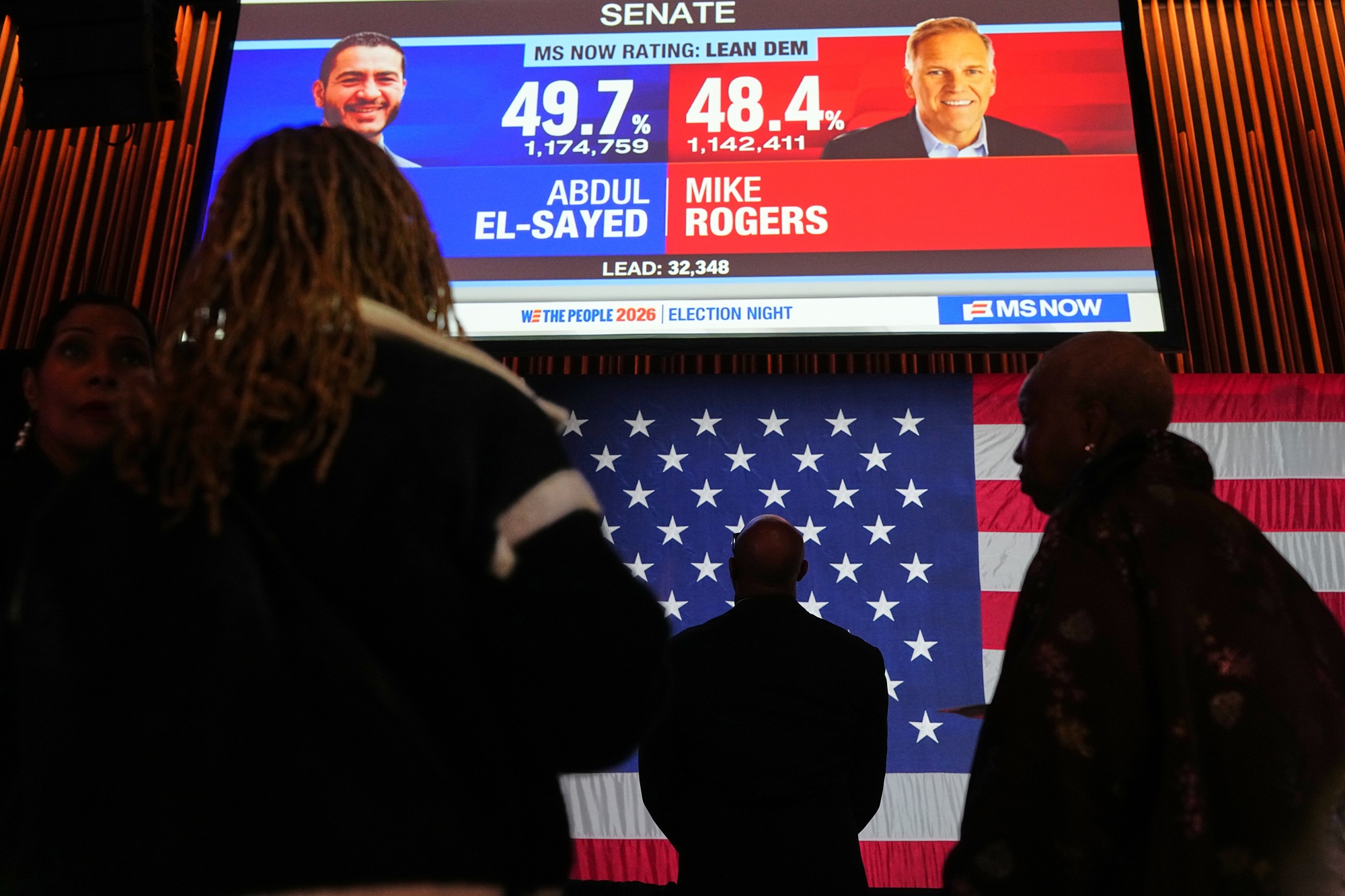
Voters are now thinking about how a divided government will change the country. This happens when different political parties control the White House and parts of Congress. People want to know if these leaders can work together or if nothing will get done.

How will voters respond to divided government?

When the government is split, voters often feel frustrated with the lack of speed. They see leaders arguing over every small detail instead of fixing big problems. This can make people feel like their voice does not matter as much in the middle of all the fighting. Many citizens start looking for ways to make their own impact on the system.

Some people choose to become an independent voter to show they do not follow just one side. These voters often decide who wins the most important elections. They watch how the divided government handles the budget and new laws before they pick a side. This group is growing because they want results rather than party loyalty.

What does a split government mean for laws?

A divided government usually means that only a few new laws can pass. Both sides have to agree on a middle ground, which is very hard to do today. If one side wants to spend money and the other side wants to save it, they often reach a dead end. This stops big changes from happening quickly in the country.

Voters might see these key things happen during a split:

  • Long debates that last for many months without a clear winner.
  • More use of executive orders by the President to get things done.
  • Frequent threats of the government shutting down over money.
  • A focus on small issues where both parties can actually agree.
These outcomes make people pay closer attention to how their local leaders act in Washington.

Why do people care about voter rules?

When the government is stuck, people focus more on how elections work. They want to make sure every vote is counted fairly and that the rules are clear. Different states have different ways of running their polls. This leads to many debates about the best way to let people cast their ballots.

Many citizens look into voter identification laws in the United States to see what they need to bring to the polls. Knowing the rules helps people feel ready when it is time to choose their next leaders. Clear rules help keep the peace even when the politicians are fighting for power.

What should we watch for next?

We should watch how the leaders talk to each other in the coming weeks. If they start to compromise, the divided government might actually pass some helpful bills. If they keep shouting at each other, voters might get even more upset. The way they behave now will set the tone for the next big election cycle.

Voters will also look at how these splits affect their daily lives and their wallets. Prices and jobs are often the main things that make people change their minds about a party. If the divided government cannot help the economy, the voters will likely look for a big change next time. Everyone is waiting to see who will blink first in this power struggle.

Sunday, November 22, 2026

US Sues Arkansas Over Kalshi Prediction Markets

US Sues Arkansas Over Kalshi Prediction Markets

The federal government sues Arkansas over a lawsuit involving the trading site Kalshi. Federal officials say states cannot regulate prediction markets on their own. This big fight will decide who controls these online event bets.

What is the lawsuit about prediction markets?

The main fight is over who gets to make rules for prediction markets like Kalshi. The federal government argues that individual states do not have the power to regulate these platforms. They want a single set of national rules instead of fifty different state laws. Arkansas tried to use its own rules, but federal lawyers filed a case to stop them.

Prediction markets let people trade contracts based on future events like elections or economic reports. Because these sites look a lot like financial exchanges, federal agencies want to be the only ones in charge. Arkansas believes it has the right to protect its own citizens from these kinds of trades. Now a judge will have to pick a side in this big battle.

Can states regulate prediction markets like Kalshi?

Many state leaders want to control online prediction sites to stop illegal gambling in their cities. They worry that these trades can hurt local buyers who do not know the risks. If states lose this legal battle, they will not be able to shut down sites like Kalshi inside their borders. That means state laws would not apply to these special online trades.

Federal agencies argue that nationwide websites need just one set of federal rules to run smoothly. They say that letting every state make its own rules would create total chaos for online businesses. The outcome of this case will set a strong rule for all fifty states. Key points in this national debate include:

  • The federal government claims full authority over all prediction markets.
  • Arkansas wants the power to enforce its own state rules on Kalshi.
  • The final ruling will clear up whether states can block trading sites.
  • Other states are watching this case closely before making their own rules.

Why this legal battle matters for regular voters

Regular people use prediction markets to trade money on real events. If federal laws win, users will have the same rules no matter where they live in the country. This can make trading simpler, but it also takes away local protections from state leaders. People in Arkansas might see different online trading options depending on how this case ends.

This court fight also changes how easily people can place trades on major news events. When state rules get blocked, national platforms can grow much faster without state interference. However, critics worry that federal rules might not be tough enough to protect local users. It shows how hard it is to control modern online sites with old state laws.

What to watch next in the Arkansas Kalshi case

Lawyers for both sides will present their arguments in federal court soon. The court needs to decide if federal law completely beats state authority on this topic. A quick decision could stop other states from trying to block Kalshi right now. A slow case means months of waiting for traders and state leaders alike.

Other states might join Arkansas to fight for their local rights against the federal government. If Arkansas wins, many states will likely write strict new laws for prediction markets. If the federal government wins, Kalshi and similar sites can run freely across the whole nation under federal oversight. Everyone who tracks legal politics will keep an eye on this major verdict.