Middle East

Loading top stories...
Showing posts with label Middle East. Show all posts

Wednesday, November 25, 2026

Qatar Politics, Economy, and Society Overview

Britannica has released an updated overview of Qatar politics, economy, and society. The report explains how the country runs its government, builds its wealth, and shapes everyday life. It offers readers a direct look at the nation today.

What does Qatar politics, economy, and society mean?

This overview covers the main parts of how the nation works. It looks at how leaders make choices, how money flows, and how people live together. Looking at all three areas helps outsiders understand life in the country.

The state of Qatar has grown quickly over the past few decades. Energy resources gave the country high income and brought big changes to cities and towns. Today, leaders focus on long-term stability and modern services for citizens.

How does the economy affect daily life?

Natural wealth has helped build schools, hospitals, and modern roads across the nation. Many jobs rely on building projects and state spending. The money helps keep public services strong for the people who live there.

Officials also work to save money and prepare for times when energy markets shift. Key points about the economic model include:

  • Strong focus on building new transport and city systems
  • Efforts to grow different industries outside energy
  • Using the Qatar Investment Authority to manage national funds
  • Providing high quality jobs and public benefits

Why are people watching Qatar now?

The country plays an active role in world business and regional talks. Many international groups work with the nation on trade, travel, and global events. Because of this, changes in its political or economic choices matter far beyond the Gulf region.

Watching these three areas helps people see what comes next. As global markets change, leaders must balance rapid growth with traditional ways of life. Observers will continue to track how the nation handles new projects, community needs, and world partnerships in the coming years.

Monday, November 23, 2026

Lebanon Politics Sectarianism And Conflict

Lebanon Politics Sectarianism And Conflict

Lebanon is dealing with major political challenges involving sectarianism and conflict. Recent updates show that the nation faces ongoing struggles related to how different groups share power. This situation impacts many people living in the region.

What is happening with Lebanon politics sectarianism and conflict?

Recent reports focus on how Lebanon handles its government and deep community divides. Sectarian groups often fight for control and a stronger voice in the country. This creates tension that affects daily life for ordinary citizens in the area.

The history of the nation shows many years of complex political deals between groups. These past events still shape how leaders make choices today. People watch closely to see if new talks can bring peace and stability.

How does this affect ordinary people?

Daily life in the region gets harder when political conflict grows. Families worry about safety, jobs, and the future of the economy. When leaders argue, basic public services can suffer and fail to help citizens.

Ordinary citizens want simple answers and better leaders who care about peace. Many hope that future talks will stop the fighting and fix the broken system. Right now, families just try to stay safe while leaders work out their deals.

What happened before this current crisis?

The problems in the country did not start just yesterday. Years of division between religious and political groups created a weak government system. Past wars and power struggles left deep scars on the land and the people.

Leaders tried many times to fix the rules of the government through new agreements. Some of those deals worked for a short time before falling apart again. History shows that deep divides take a long time to heal completely.

What to watch next in Lebanon

People should watch for new news about government meetings and peace talks. Any change in how leaders talk to each other could shift the future of the nation. Observers will also look at how regional neighbors react to these events.

Here are the key points to keep in mind:

  • Government leaders face tough choices about power and groups.
  • Citizens worry about safety and everyday living costs.
  • Past conflicts still affect how people trust the system.
  • Future talks might bring new hope or more trouble.

Saturday, November 21, 2026

Gadi Eisenkot Vows to Form New Israeli Government Soon

Gadi Eisenkot Vows to Form New Israeli Government Soon

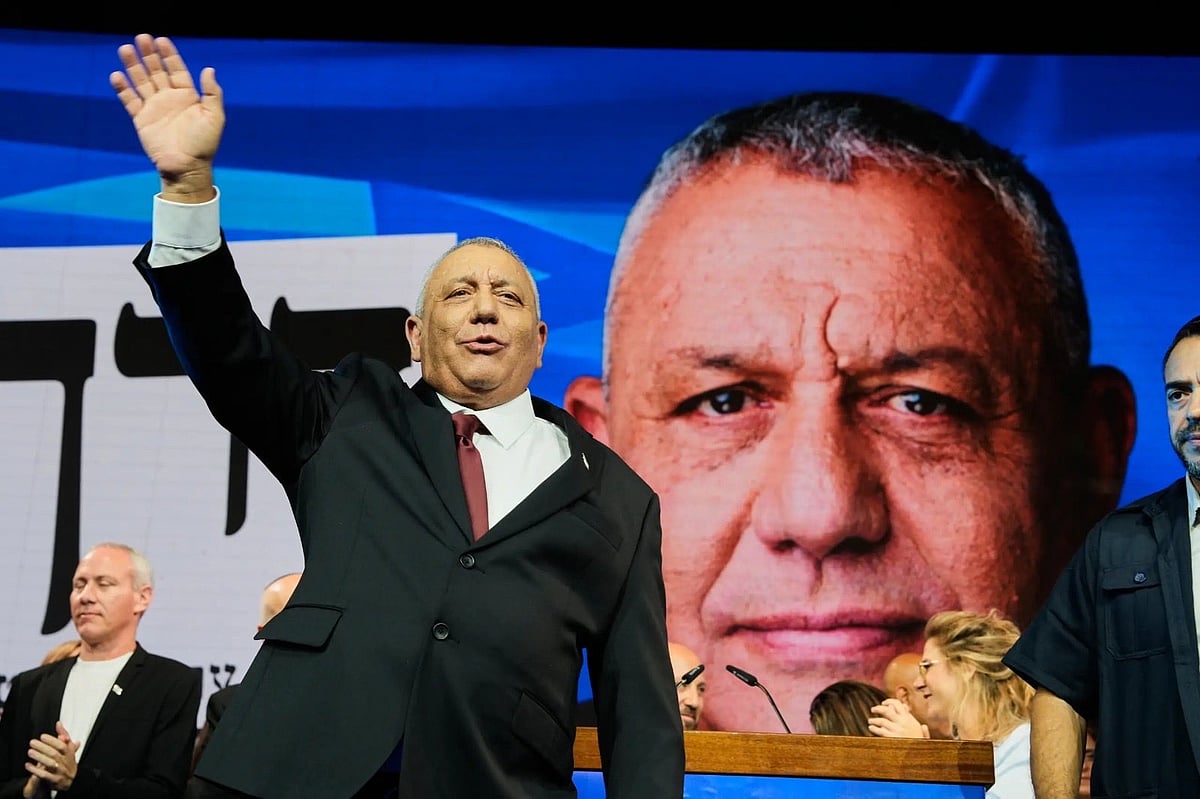
Gadi Eisenkot has vowed to bring about a new Israeli government swiftly. The former military leader turned politician believes the current leadership must change right away. He is pushing for a fast transition to ensure the country has a new direction.

What is Gadi Eisenkot planning for Israel?

Gadi Eisenkot wants to move quickly to set up a different government for the people. He believes that the current political path is not working for the nation anymore. By vowing a swift change, he is signaling to voters that he is ready to lead a new coalition. This move could lead to early elections if enough members of the current government agree to step down.

The plan involves gathering support from various political groups that want a fresh start. Eisenkot is known for his time as a top general, which gives him a lot of respect among certain voters. He is using this reputation to convince people that a change in power is necessary for safety and stability. If he succeeds, the entire political structure of the country could look very different in a few months.

How will a new government affect ordinary people?

When a government changes quickly, ordinary citizens often see shifts in how the country is run day to day. A new leadership team might change how money is spent on schools, roads, and healthcare. People in Israel are watching these events closely because political stability affects their jobs and their safety. A swift change could either bring peace of mind or cause more confusion during the transition period.

  • New leaders might change the rules for taxes and business growth.
  • The military and police could get new orders on how to handle security.
  • International relationships might shift depending on who takes power next.
  • Public trust in the voting system often grows when leaders listen to calls for change.

What led to this call for a swift change?

Israel has faced many years of political tension and several elections in a short time. Many people feel that the current leaders have stayed in power for too long without solving big problems. This frustration has allowed leaders like Eisenkot to gain more support from the public. He is tapping into the feeling that the current system is stuck and needs a strong push to move forward.

Before this announcement, there were many protests and debates about how the country is being managed. Some citizens feel that the government is not focusing enough on the needs of the average family. Eisenkot's promise to bring a new government swiftly is a response to these growing voices. He wants to show that he can provide the quick action that many voters have been asking for lately.

What should we watch for in the coming weeks?

The next big step is to see if other political leaders join Eisenkot in his mission. For a new government to form, he needs to build a team that can win a majority of seats. This means there will be a lot of meetings and deals made behind closed doors. We should watch for any announcements about new alliances between different parties that usually do not work together.

We should also look for news about a specific date for new elections or a vote of no confidence. If the current government feels too much pressure, they might agree to step down sooner than expected. The speed of this change will depend on how much the public continues to support Eisenkot's vision. This is a very fast-moving story that could change the future of the region very soon.

Thursday, November 19, 2026

Benjamin Netanyahu Faces a Dangerous Political Fight

Al Jazeera reports that Israeli Prime Minister Benjamin Netanyahu faces a dangerous political fight for survival. His current standing has sparked sharp debate about his leadership and his future in office. Many observers are watching closely to see what his next moves will be.

What the report says about Netanyahu's last stand

According to Al Jazeera, Netanyahu is now dealing with what some call his last stand. The report points to high political risks as he tries to stay in power during a time of intense pressure. His decisions affect not only his own career but also the entire region.

Political survival has become a major focus of his current leadership strategy. Leaders in this position often make bold choices to keep their allies close and hold their government together. These choices can create new tensions both at home and abroad.

What is Benjamin Netanyahu's political survival strategy?

People often ask how long a leader can hold on during severe political turmoil. Netanyahu has spent decades in public life and has overcome deep political trouble many times before. His long career shows that he knows how to manage tough rivalries and difficult coalitions.

To stay in power, leaders often rely on specific political methods during a crisis:

  • Keeping coalition partners loyal: Working closely with small parties to preserve a voting majority.
  • Controlling public debate: Focusing attention on national security and foreign threats.
  • Engaging foreign leaders: Building ties abroad, including events like the 2024 visit by Benjamin Netanyahu to the United States.

Why this political struggle matters for ordinary people

Political fights at the top level have real effects on everyday citizens. When a government focuses heavily on political survival, daily policies like the economy and public services can take a back seat. People often feel the impact through rising costs, social tension, and uncertainty about the future.

Decisions made during a political crisis also shape national security and international relations. Ordinary families care about stability, safety, and a predictable future for their children. When leadership remains in doubt, planning for normal life becomes much harder for everyone.

What to watch next in this political fight

The coming weeks will show whether Netanyahu can maintain his grip on power. Observers will watch parliamentary votes, public demonstrations, and statements from rival politicians. Any shift among his key allies could change the balance of power very quickly.

International reactions will also play a large role in how events unfold. Strong pressure from foreign allies or critics can influence domestic choices in surprising ways. For now, the political survival of Netanyahu remains one of the biggest stories in world politics.

Wednesday, November 18, 2026

Is Israel's Eisenkot Bloc Less Right Wing Than Netanyahu?

Is Israel's Eisenkot Bloc Less Right Wing Than Netanyahu?

Al Jazeera is reporting on whether the political group tied to Gadi Eisenkot is truly less right wing than Prime Minister Benjamin Netanyahu. Political watchers are asking how much this bloc really differs from the current leadership. People across the country are paying close attention to what these political positions mean for the future.

Is Israel's Eisenkot bloc less right wing than Netanyahu?

The central question being asked by news outlets like Al Jazeera is whether this group offers a true change in policy. Many voters want to know if a shift away from Netanyahu would change how the government handles security and daily life. Others wonder if the two sides share more views than they admit.

Both leaders have strong backgrounds that shape how the public sees them. Netanyahu has led right wing coalitions for many years and built a clear record. The bloc around Eisenkot is often seen as a challenge to that power, but critics still debate where it sits on the political map.

What this political debate means for regular citizens

For ordinary families, political shifts are not just about party names. Changes in leadership affect decisions about national security, public spending, and community safety. When top figures debate key policies, citizens look closely to see whose ideas will keep them safe and lower their daily costs.

Here are a few things people are watching closely in this debate:

  • Leadership style: How each leader plans to guide the country through hard times.
  • Security choices: Whether a new bloc will take a different path on defense matters.
  • Government plans: How the parties plan to work with other groups to pass laws.

What happened before this question came up

To understand this debate, it helps to look at the past few years of elections. Israel has seen rapid political changes and several elections that left parties fighting for small majorities. The rise of new political groups came from voters seeking different options beyond the long-running rule of the Thirty-eighth government of Israel and its rivals.

During these shifts, former military leaders entered politics to offer alternative plans. Many citizens hoped these new voices would bring fresh answers to long-standing problems. That history is why questions about the exact political stance of the Eisenkot bloc are getting so much attention today.

What to watch for in the coming months

As the debate continues, both sides will work to show voters where they stand on the biggest challenges. Speeches, public interviews, and party statements will give more clues about their real policy differences. News analysts will continue to track whether this bloc tries to move toward the center or stays firmly on the right.

The public will also watch how other political groups react to the Eisenkot bloc. If other lawmakers decide to work with them, it could change the balance of power in future votes. Until then, questions about how different they really are from Netanyahu will stay at the front of political news.

Is Israel's Eisenkot Bloc Less Right Wing Than Netanyahu?

Is Israel's Eisenkot Bloc Less Right Wing Than Netanyahu?

Al Jazeera reports on whether the political group led by Gadi Eisenkot is less right wing than Benjamin Netanyahu. Observers are looking closely at how this political alliance compares to the current leadership. Many people want to understand what a change at the top would actually mean.

What is the Eisenkot bloc?

The political group connects to former army chief Gadi Eisenkot, who has become a key voice in Israeli public life. Analysts often study his positions alongside other groups, including the broader Change bloc in parliament. Observers want to know if his coalition will offer a different direction on security, diplomacy, and everyday life.

People in Israel and around the world watch these political shifts very closely. Leadership choices shape decisions about peace, regional safety, and the daily economy. For ordinary families, changes in government policy can affect everything from military service to the cost of living.

Is Israel's Eisenkot bloc less right wing than Netanyahu?

According to Al Jazeera, experts are split on whether the Eisenkot group is truly less right wing than Benjamin Netanyahu. Some commentators argue that Eisenkot takes a more moderate tone on civil rules and state institutions. Others say that on core security and defense matters, the gap between the two sides remains quite small.

Here are the key points being debated about this political challenge:

  • How the two sides view long-term defense and national security.
  • Whether a new group would build partnerships across different parties.
  • How domestic policies and courts would be handled under new leaders.
  • Whether regional diplomacy would take a different path.

What led up to this political debate?

Benjamin Netanyahu has led right-leaning coalitions for many years, shaping the nation's political landscape. Over time, rival leaders from military and political backgrounds have stepped forward to offer alternatives. Public debates over the direction of the state have grown louder as voters weigh stability against calls for new leadership.

Former military leaders have often played major roles in the country's elections. Figures like Eisenkot bring defense experience, which appeals to voters who care deeply about safety. Because both leaders emphasize strong security, voters look closely at smaller policy details to see where they differ.

What readers should watch for next

In the coming months, political analysts will track party alliances and public opinion polls. Viewers will watch to see if the Eisenkot group presents distinct plans on the economy, governance, and foreign relations. Any clear policy differences will help voters decide if a real shift is taking place.

International partners will also monitor these discussions to see how future leadership could affect regional talks. Clear statements from both sides will show whether the country's political center of gravity is moving. For now, the question of how different these leaders truly are remains a central topic of discussion.