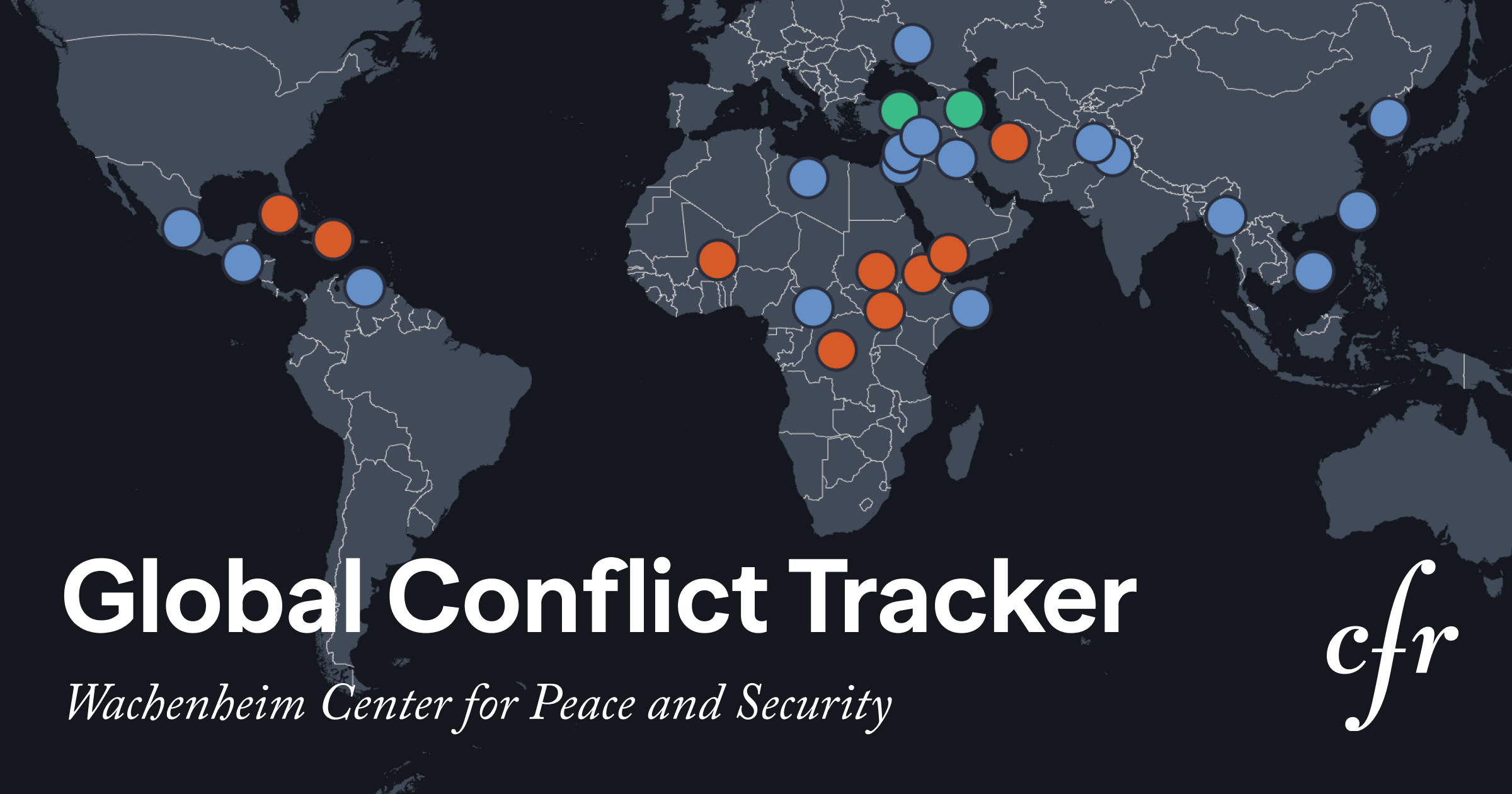
The Council on Foreign Relations is tracking the ongoing conflict in Ethiopia on its Global Conflict Tracker. Fighting and political tension continue to trouble the country. This crisis threatens stability across the wider Horn of Africa.
What is the conflict in Ethiopia?
The Council on Foreign Relations monitors dangerous disputes around the globe. Its latest updates follow the active Ethiopian civil conflict (2018, present) that has impacted communities throughout the country. Different groups have clashed with government forces over power, territory, and local rights.
These disputes have caused major disruptions for regular people living in affected areas. Families have faced food shortages, lost their homes, and suffered from broken public services. The tracker watches these events closely to show how fast conditions can change on the ground.
How fighting impacts regular families
War and unrest make basic daily life very hard for citizens. When violence breaks out, markets close and transport stops. Many parents cannot find steady work or send their children to local schools safely.
Aid workers often struggle to reach areas cut off by fighting. Deliveries of clean water and medicine can stop for weeks at a time. When peace breaks down, ordinary people feel the pain long before leaders reach an agreement.
- Transport routes shut down during sudden security alerts.
- Farms and markets face closures that drive up food costs.
- Hospitals run out of power, clean water, and basic medicine.
Why regional peace remains fragile
Ethiopia is one of the largest and most populated nations in its region. What happens inside its borders touches its neighbors directly. Past disputes, including the Eritrean, Ethiopian border conflict, show that local tensions can spill across national borders quickly.
When fighting forces people to leave their homes, refugee flows can strain resources in neighboring lands. Neighboring states also worry about trade disruptions and security threats along their shared lines. A stable Ethiopia helps keep the whole Horn of Africa safe.
What to watch for next
International groups will watch how national and regional leaders handle open disagreements. Diplomats often call for open talks to halt clashes before they spread to new towns. Observers want to see if both sides can protect civilian safety while working toward peace.
The Global Conflict Tracker will continue to provide updates as new events unfold. Progress will depend on whether leaders choose talks over armed force in the coming months. The world remains focused on finding lasting stability for all communities involved.


No comments:
Post a Comment