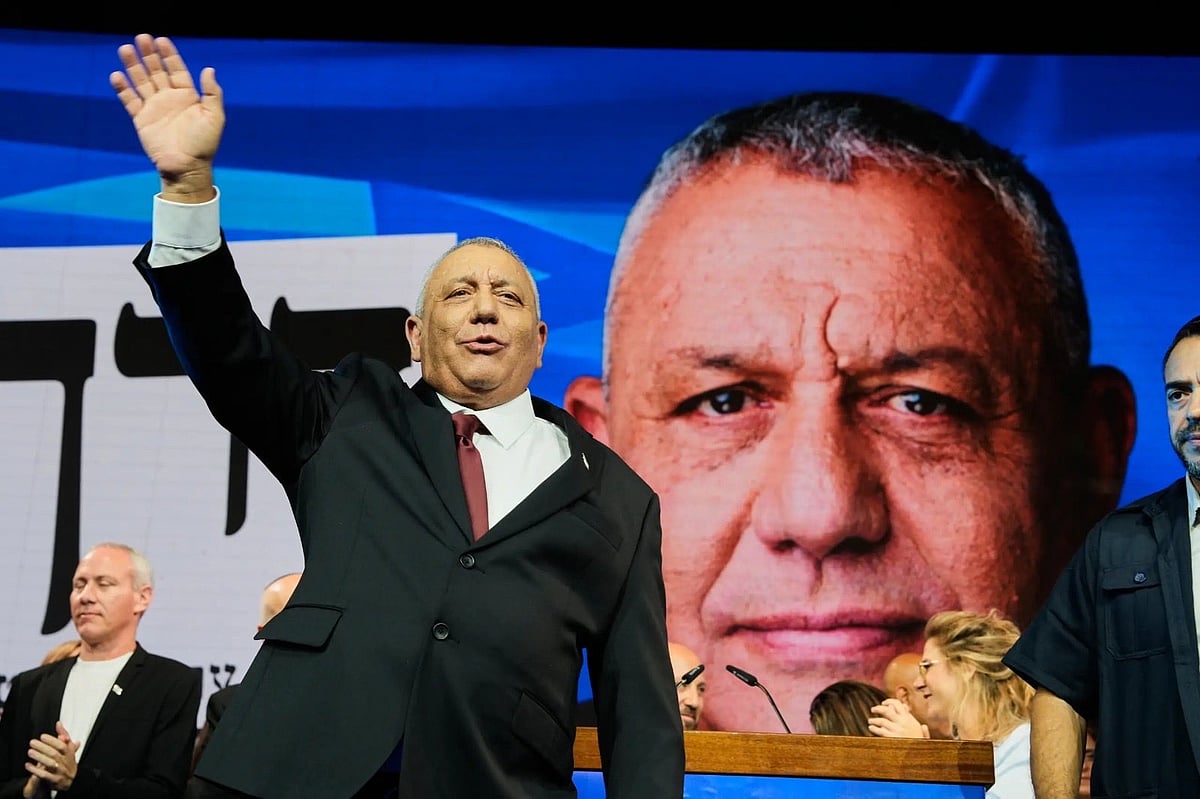
Al Jazeera is reporting on whether the political group tied to Gadi Eisenkot is truly less right wing than Prime Minister Benjamin Netanyahu. Political watchers are asking how much this bloc really differs from the current leadership. People across the country are paying close attention to what these political positions mean for the future.
Is Israel's Eisenkot bloc less right wing than Netanyahu?
The central question being asked by news outlets like Al Jazeera is whether this group offers a true change in policy. Many voters want to know if a shift away from Netanyahu would change how the government handles security and daily life. Others wonder if the two sides share more views than they admit.
Both leaders have strong backgrounds that shape how the public sees them. Netanyahu has led right wing coalitions for many years and built a clear record. The bloc around Eisenkot is often seen as a challenge to that power, but critics still debate where it sits on the political map.
What this political debate means for regular citizens
For ordinary families, political shifts are not just about party names. Changes in leadership affect decisions about national security, public spending, and community safety. When top figures debate key policies, citizens look closely to see whose ideas will keep them safe and lower their daily costs.
Here are a few things people are watching closely in this debate:
- Leadership style: How each leader plans to guide the country through hard times.
- Security choices: Whether a new bloc will take a different path on defense matters.
- Government plans: How the parties plan to work with other groups to pass laws.
What happened before this question came up
To understand this debate, it helps to look at the past few years of elections. Israel has seen rapid political changes and several elections that left parties fighting for small majorities. The rise of new political groups came from voters seeking different options beyond the long-running rule of the Thirty-eighth government of Israel and its rivals.
During these shifts, former military leaders entered politics to offer alternative plans. Many citizens hoped these new voices would bring fresh answers to long-standing problems. That history is why questions about the exact political stance of the Eisenkot bloc are getting so much attention today.
What to watch for in the coming months
As the debate continues, both sides will work to show voters where they stand on the biggest challenges. Speeches, public interviews, and party statements will give more clues about their real policy differences. News analysts will continue to track whether this bloc tries to move toward the center or stays firmly on the right.
The public will also watch how other political groups react to the Eisenkot bloc. If other lawmakers decide to work with them, it could change the balance of power in future votes. Until then, questions about how different they really are from Netanyahu will stay at the front of political news.


No comments:
Post a Comment