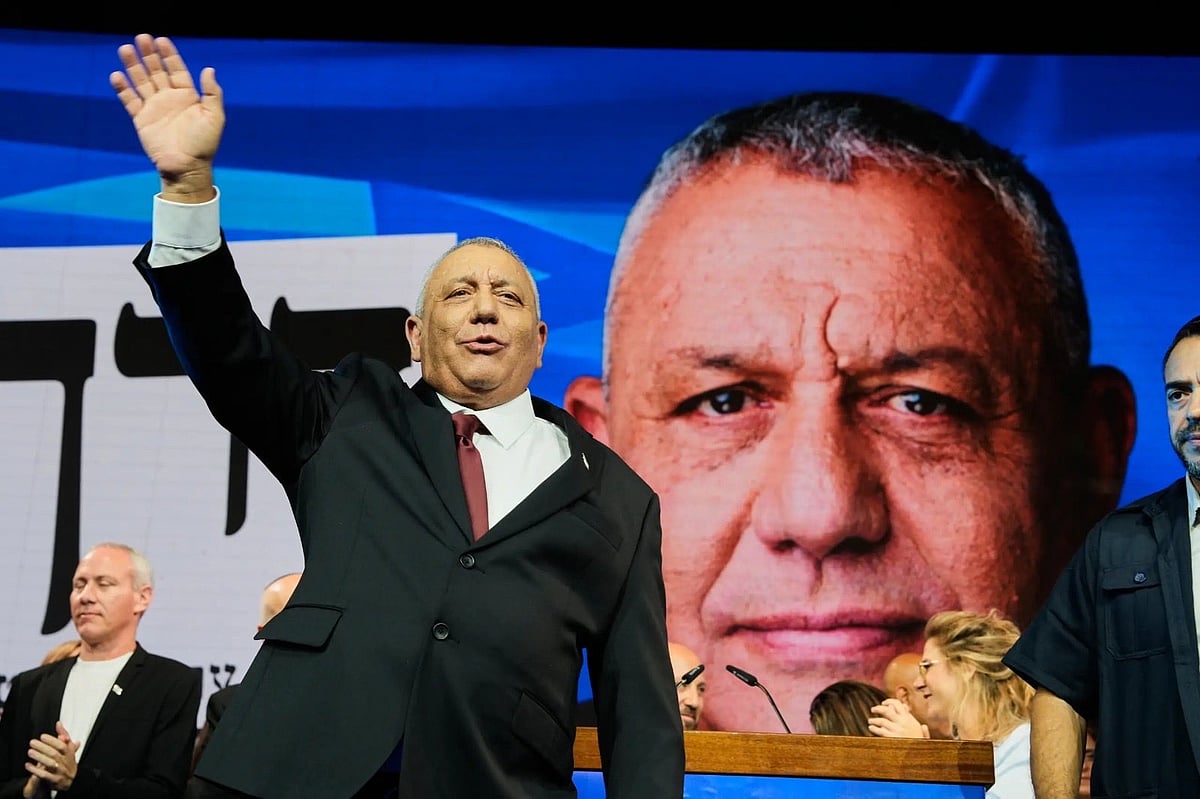
Al Jazeera reports on whether the political group led by Gadi Eisenkot is less right wing than Benjamin Netanyahu. Observers are looking closely at how this political alliance compares to the current leadership. Many people want to understand what a change at the top would actually mean.
What is the Eisenkot bloc?
The political group connects to former army chief Gadi Eisenkot, who has become a key voice in Israeli public life. Analysts often study his positions alongside other groups, including the broader Change bloc in parliament. Observers want to know if his coalition will offer a different direction on security, diplomacy, and everyday life.
People in Israel and around the world watch these political shifts very closely. Leadership choices shape decisions about peace, regional safety, and the daily economy. For ordinary families, changes in government policy can affect everything from military service to the cost of living.
Is Israel's Eisenkot bloc less right wing than Netanyahu?
According to Al Jazeera, experts are split on whether the Eisenkot group is truly less right wing than Benjamin Netanyahu. Some commentators argue that Eisenkot takes a more moderate tone on civil rules and state institutions. Others say that on core security and defense matters, the gap between the two sides remains quite small.
Here are the key points being debated about this political challenge:
- How the two sides view long-term defense and national security.
- Whether a new group would build partnerships across different parties.
- How domestic policies and courts would be handled under new leaders.
- Whether regional diplomacy would take a different path.
What led up to this political debate?
Benjamin Netanyahu has led right-leaning coalitions for many years, shaping the nation's political landscape. Over time, rival leaders from military and political backgrounds have stepped forward to offer alternatives. Public debates over the direction of the state have grown louder as voters weigh stability against calls for new leadership.
Former military leaders have often played major roles in the country's elections. Figures like Eisenkot bring defense experience, which appeals to voters who care deeply about safety. Because both leaders emphasize strong security, voters look closely at smaller policy details to see where they differ.
What readers should watch for next
In the coming months, political analysts will track party alliances and public opinion polls. Viewers will watch to see if the Eisenkot group presents distinct plans on the economy, governance, and foreign relations. Any clear policy differences will help voters decide if a real shift is taking place.
International partners will also monitor these discussions to see how future leadership could affect regional talks. Clear statements from both sides will show whether the country's political center of gravity is moving. For now, the question of how different these leaders truly are remains a central topic of discussion.


No comments:
Post a Comment